The Importance of Regular Granite or Stone Countertop Cleaning for Longevity
Granite and stone countertops are a popular choice for homeowners due to their durability, natural beauty, and timeless appeal. These surfaces can withstand heat, scratches, and general wear and tear, making them an excellent investment for kitchens and bathrooms. However, to maintain their beauty and functionality, regular cleaning and maintenance are essential. Over time, dirt, spills, and bacteria can accumulate, leading to discoloration, stains, and even surface damage. By understanding the importance of proper cleaning techniques and making countertop maintenance a habit, homeowners can preserve the longevity of their granite or stone surfaces.
The Nature of Granite and Stone Countertops
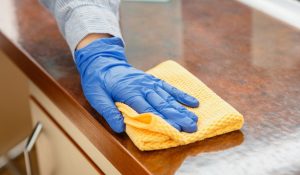 Granite and stone countertops are formed from natural materials, which means they are porous to some extent. While some varieties are more resistant to staining than others, most still require regular care to prevent liquid absorption, which can cause long-term damage. Stone surfaces can also develop small pits or fissures, which, if left uncleaned, may accumulate debris and bacteria.
These countertops are often sealed to provide an additional protective layer against moisture and stains. However, sealants wear down over time, and if not properly maintained, countertops can become vulnerable to damage. Without regular cleaning, food residues, oils, and acidic substances can break down the sealant, leading to more severe issues.
Preventing Stains and Discoloration
One of the most common concerns with granite and stone countertops is staining. Spills from common kitchen ingredients such as coffee, wine, lemon juice, or tomato sauce can leave behind stubborn stains if not wiped up immediately. While a high-quality sealant can help protect the surface, it is not foolproof.
Regular cleaning with a gentle stone cleaner or a mild soap and water solution can prevent stains from setting in. Using harsh chemicals or acidic cleaners can strip away the protective sealant, making the stone more susceptible to discoloration. Consistently cleaning up spills and maintaining a proper cleaning routine can help homeowners avoid the frustration of stubborn stains.
Avoiding Surface Damage and Etching
Granite and stone countertops are strong, but they are not indestructible. Over time, improper cleaning techniques or neglect can lead to surface damage, dullness, or etching. Etching occurs when acidic substances react with the calcium content in certain types of stone, such as marble, leaving behind dull or rough patches.
Using abrasive scrubbers or harsh chemicals can also wear down the surface and lead to micro-scratches that accumulate over time. Instead, homeowners should opt for soft cloths or sponges and pH-neutral cleaning solutions. Regular maintenance and gentle cleaning can help keep the surface smooth and polished.
The Role of Sealing in Countertop Longevity
Sealants play a crucial role in extending the lifespan of granite or stone countertops. When countertops are initially installed, they are typically sealed to provide a protective barrier against moisture and stains. However, this sealant does not last forever and requires reapplication over time.
A simple way to test if a countertop needs resealing is by placing a few drops of water on the surface. If the water beads up, the sealant is still intact. If it absorbs into the stone, it is time for resealing. Properly maintaining the sealant ensures that countertops remain resistant to stains and damage, further enhancing their longevity.
Preventing Bacterial Growth and Contamination
Kitchen and bathroom countertops are exposed to a wide range of bacteria, food particles, and other contaminants daily. Without proper cleaning, these surfaces can become breeding grounds for germs, which may pose health risks for household members.
Regular cleaning with a mild, non-toxic cleaner can help eliminate bacteria while preserving the integrity of the stone. It is also essential to use separate cleaning cloths or sponges for countertops to prevent cross-contamination. By maintaining a clean surface, homeowners can ensure a hygienic environment while also protecting their investment.
Maintaining the Natural Shine and Beauty
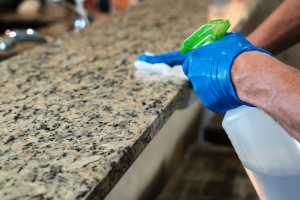 Granite and stone countertops are prized for their polished appearance and luxurious feel. However, without proper care, they can become dull or lose their natural luster over time. This often occurs due to the buildup of dirt, grease, or soap residue.
Using the right cleaning products, along with occasional polishing, can help restore the natural shine of stone surfaces. Natural solutions like a mixture of water and rubbing alcohol can help remove buildup and enhance the stone’s sheen without causing damage. Keeping countertops clean and free from debris can ensure they remain an eye-catching focal point in any space.
Establishing a Cleaning Routine for Long-Term Benefits
To preserve the quality of granite or stone countertops, establishing a regular cleaning routine is essential. Consistency in wiping down surfaces, promptly addressing spills, and periodically checking the sealant can prevent damage and ensure longevity. Simple daily maintenance can make a significant difference in the overall appearance and durability of stone surfaces.
Homeowners should also be mindful of what they place on their countertops. Using cutting boards, trivets, and coasters can prevent unnecessary damage from sharp objects, hot pans, and spills. Additionally, refraining from standing or placing heavy objects on stone countertops can help prevent cracks or structural damage.